MLOps vs. ModelOps: Why the Difference Matters for Enterprise AI
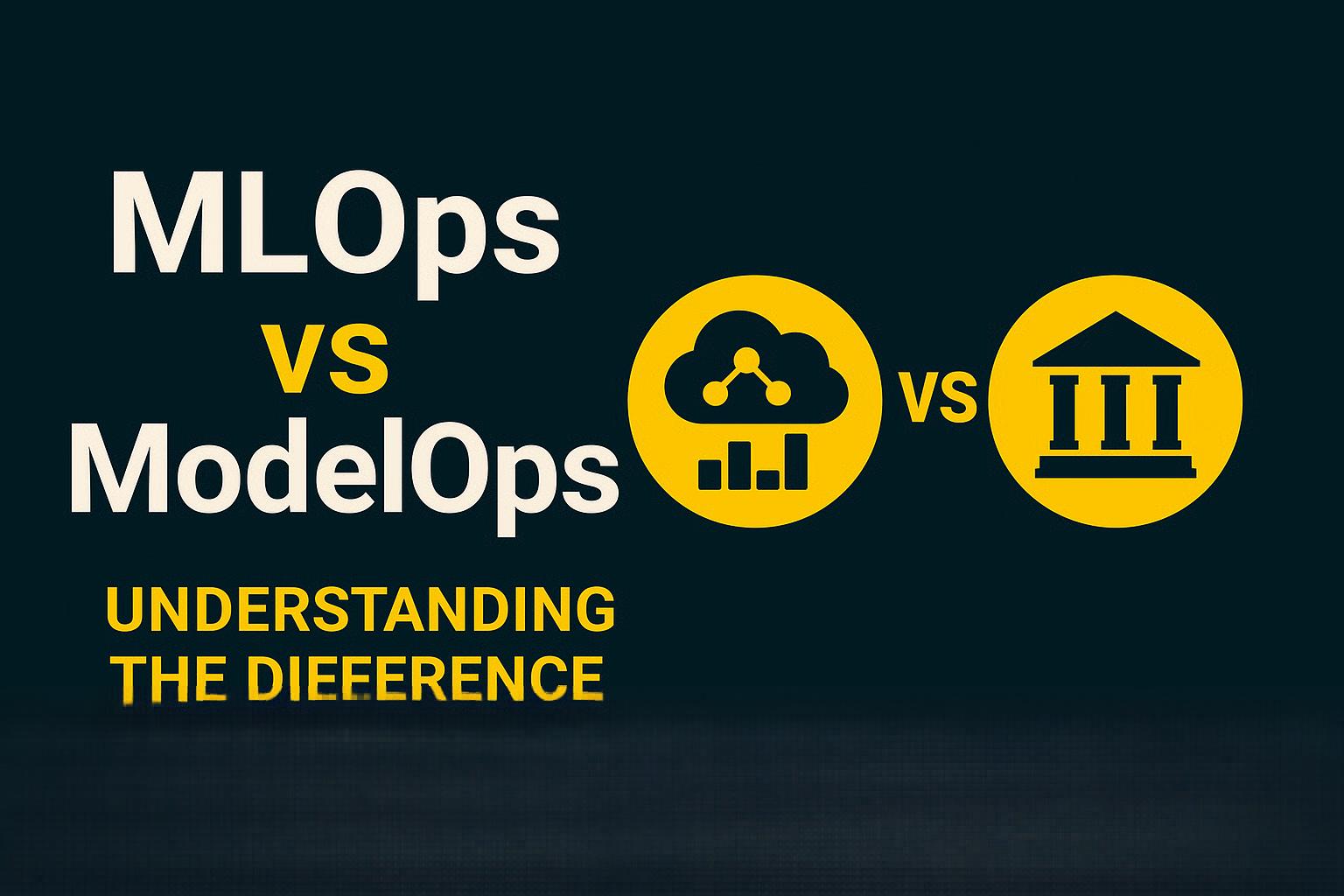
Why So Many AI Models Never Reach Production
Here’s a surprising stat: nearly half of all AI models built never make it into production. That’s a huge waste of time, talent, and resources. One of the biggest reasons? Confusion between two critical concepts: MLOps and ModelOps.
These terms often get used interchangeably, but they serve very different purposes. And if your organization doesn’t understand the distinction, your AI initiatives could stall before they ever deliver value.
Let’s break it down.
What This Article Covers
- What’s the difference between MLOps and ModelOps?
- What are they each used for?
- Who typically uses them?
- Which one does your organization need? (Spoiler: probably both.)
- What’s the real value of using both together?
Understanding how MLOps and ModelOps complement each other is essential—especially since only one of them tackles the operational and governance challenges that are slowing down two-thirds of enterprise AI programs (according to the 2021 State of ModelOps Report).
MLOps vs. ModelOps: The Core Difference
MLOps is all about helping data scientists build and deploy machine learning models quickly and efficiently. It’s a feature of modern data science platforms like Amazon SageMaker, Domino Data Lab, and DataRobot. Think of it as the engine behind experimentation, training, and deployment during the model development phase.
ModelOps, on the other hand, focuses on what happens after a model is built. It’s about managing, validating, and governing models in production—regardless of how they were created. Platforms like ModelOp Center handle everything from model inventory to compliance, ensuring that production models are reliable, auditable, and aligned with business goals.
Who Uses What—and Why
🔧 MLOps: Built for Data Scientists
MLOps tools are designed for the hands-on work of building ML models. That includes coding, testing, training, and retraining. Data scientists typically lead this effort, working closely with DataOps and analytics teams to source the right data and align models with business objectives.
🛠️ ModelOps: Built for IT and Business Leaders
ModelOps platforms are used by CIOs, IT operations teams, and business stakeholders to manage models once they’re live. This includes tracking which models are in production, ensuring they’re making sound decisions, and enforcing regulatory and risk controls across the board.
Why You Need Both
MLOps and ModelOps aren’t competing solutions—they’re complementary. You can’t build models with ModelOps, and you can’t govern production models with MLOps alone.
Some MLOps platforms offer basic model management features, but they often fall short when it’s time to scale AI across the enterprise or enforce consistent risk and compliance standards. That’s where ModelOps steps in.
It’s the same principle as separating development and production in software engineering. You wouldn’t let developers approve their own code for release—and you shouldn’t let data scientists govern their own models in production either.
The Role of ModelOps in Enterprise AI
ModelOps automates the operational, regulatory, and risk management processes that surround production models. It ensures that every model can be audited, evaluated for business impact, and held to technical and compliance standards.
When paired with MLOps tools, ModelOps helps organizations get the most out of their AI investments—accelerating development, scaling deployment, and maintaining control across the entire model lifecycle.
Final Thoughts
If your organization is serious about AI, understanding the difference between MLOps and ModelOps isn’t optional—it’s foundational. Together, they form the backbone of a scalable, secure, and high-impact AI strategy.
Want help choosing the right tools or setting up a workflow that combines both? I’d be happy to walk you through it.
Share this article
Loading comments...