Python(16 Articles)
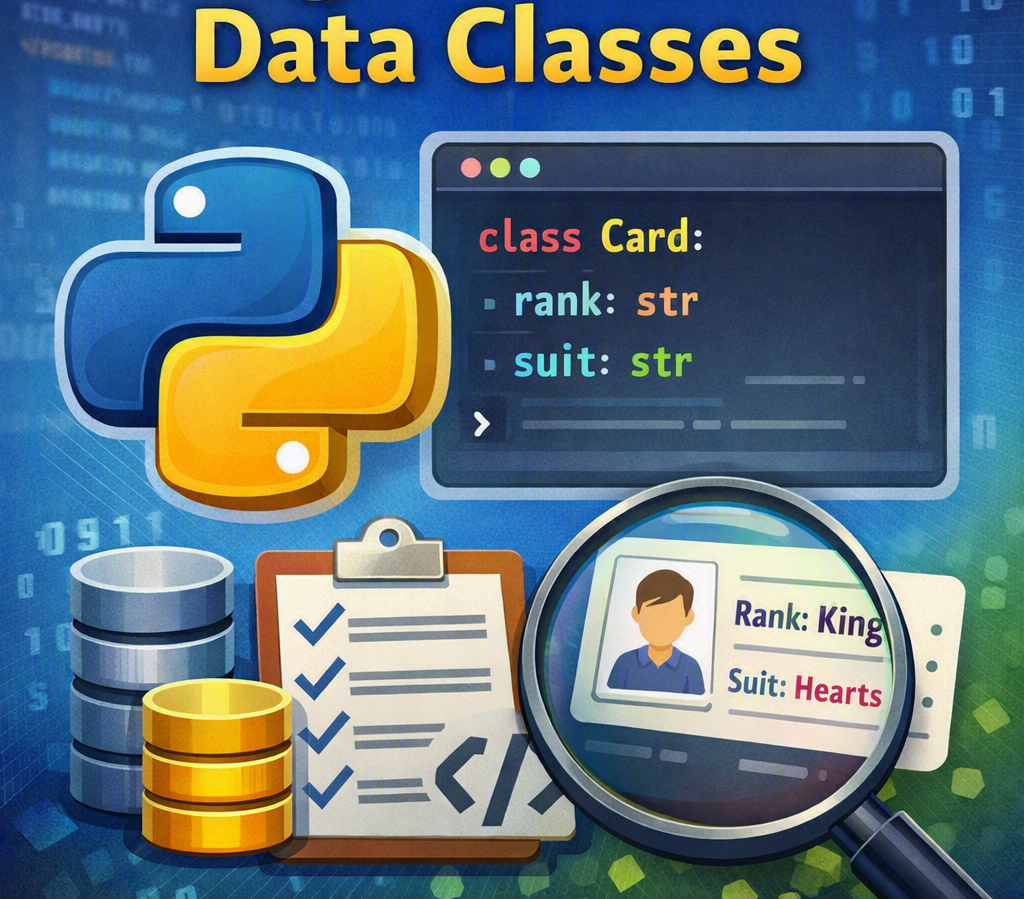
If you’ve been writing Python for a while, you’ve probably felt the pain of creating classes that exist purely to hold data. You write an __init__, then a __repr__, then maybe an __eq__, and before long your “simple” class is 20 lines of boilerplate.
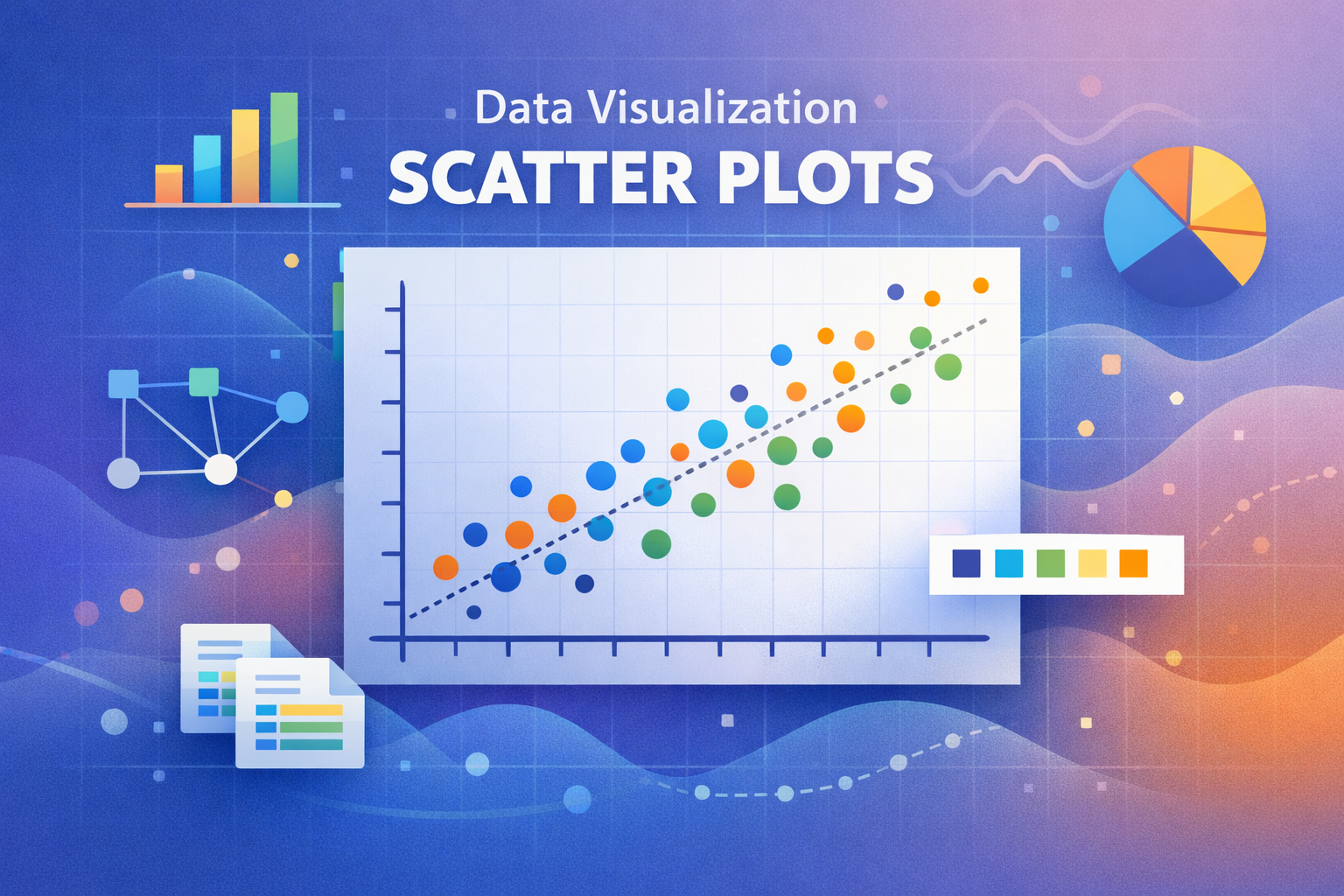
A simple, clear guide to creating scatter plots in Python using Matplotlib. Learn how to customize colors, sizes, shapes, and styles to make your data visualizations stand out.
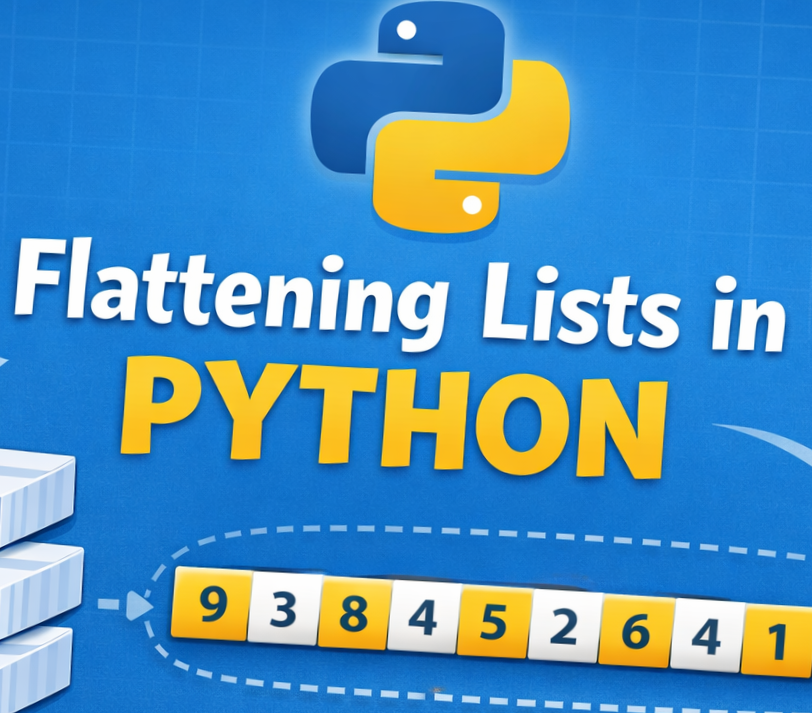
Learn how to flatten nested lists in Python using loops, list comprehensions, itertools, reduce(), and NumPy. This guide breaks down each method with clear examples, performance insights, and best‑practice tips for handling multi‑level data structures. Perfect for developers, data analysts, and Python learners who want cleaner, more efficient code.
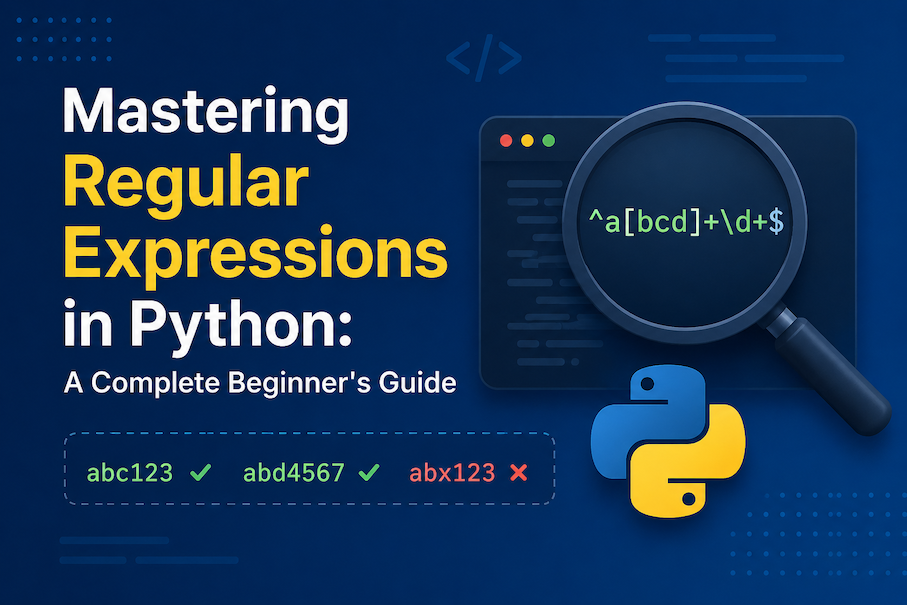
In this guide, we'll walk through what regular expressions are, why Python developers rely on them, and how to start using them confidently with Python's built-in re module.
Getting the right environment up and running on Windows isn't always straightforward.
This guide walks through everything you need to know: how to create them, how to read and modify their contents, which built-in tools work with them, and how to iterate over them efficiently.

AI coding tools have moved firmly into the terminal, and two of the most talked-about options right now are Gemini CLI (from Google) and Claude Code (from Anthropic) Both let you describe what you want to build and have an AI assistant write, edit, and debug code directly in your project — without ever leaving the command line.
If you've been working with data in Python for any length of time, you're probably well acquainted with pandas. It's been the go-to tool for DataFrame manipulation for well over a decade. But a newer contender has been making serious waves in the data community: Polars — and it's not hard to see why.
If you've ever wondered why some Python programs feel sluggish, the answer often comes down to how they handle multiple tasks. Concurrency is the technique that lets a program manage several things at once — and understanding it can dramatically improve your code's performance.
Designing lean, readable, and predictable data models with Python data classes
Learn how to clean, transform, and analyze data efficiently with Python’s most powerful data-handling toolkit

Elevate your data analysis workflow with these powerful Python strategies

Master these powerful strategies to transform your data manipulation efficiency and code quality

Learn how to effectively optimize memory usage using NumPy arrays in Python.

Explore advanced techniques for minimizing memory consumption when working with NumPy arrays in data science and machine learning projects.

Comprehensive Strategies for Optimizing Memory Usage in Python Data Science Projects